Oct 13, 2026Buying Guides
Six Red Flags Hiding in Accessory Listings
Six phrases in accessory listings that should slow your scroll: from "up to" wattage to certification logos without paperwork. How to read a listing like an engineer.
Accessory listings have a grammar, and like any grammar it can be used to tell the truth or to decorate it. After years of collecting the failure reports behind our pain-point library, from drives that disconnect to ports that die one by one, we have noticed that the complaints trace back to six phrases that appeared, or failed to appear, in the original listing. Here are the six red flags, what each one hides, and what the honest version of the sentence looks like.
Red Flag One: "Up to" Without Conditions
"Up to 100W charging." "Speeds up to 10Gbps." The phrase "up to" is not a lie; it is a ceiling, and ceilings are only reached when every condition aligns: the right charger, the right cable, the right host port, and often nothing else connected at all. The honest version of the claim states the conditions: what the port delivers with everything running, what the pass-through reaches the laptop at under load. If a listing gives you the ceiling without the floor, assume the floor is the real number.
Red Flag Two: Resolution Claims Without Certification Tiers
"Supports 8K." A cable printed with 8K proves nothing about its ability to carry 8K, because the printing is not the testing. Both DisplayPort and HDMI now run certification programs with named tiers: VESA certifies DisplayPort 2.1 cables as DP40 and DP80, and HDMI's newest tier is Ultra96. The certified tier, and the supplier's willingness to provide the test documentation, is the evidence. The printing is packaging.
Red Flag Three: No Per-Port Power Budget
The single most common accessory complaint, the laptop that stops charging when the hub connects, lives in a missing number: the per-port power budget. An honest listing states what each port delivers and what the host receives when everything runs at once. A listing that only states totals, or only the input rating, is declining to answer the question you will eventually ask the hard way.
Red Flag Four: Vague Materials
"Premium aluminum construction." Which alloy, what thickness, and is the metal part of the thermal design or just the finish? Material claims matter because they are thermal claims: an aluminum shell that functions as a heat sink keeps sustained transfer speeds and charging rates honest, and one that does not merely looks the part. The honest listing names the material and the reason, and the honest product survives the touch test in hour two.
Red Flag Five: Certification Logos Without Paperwork
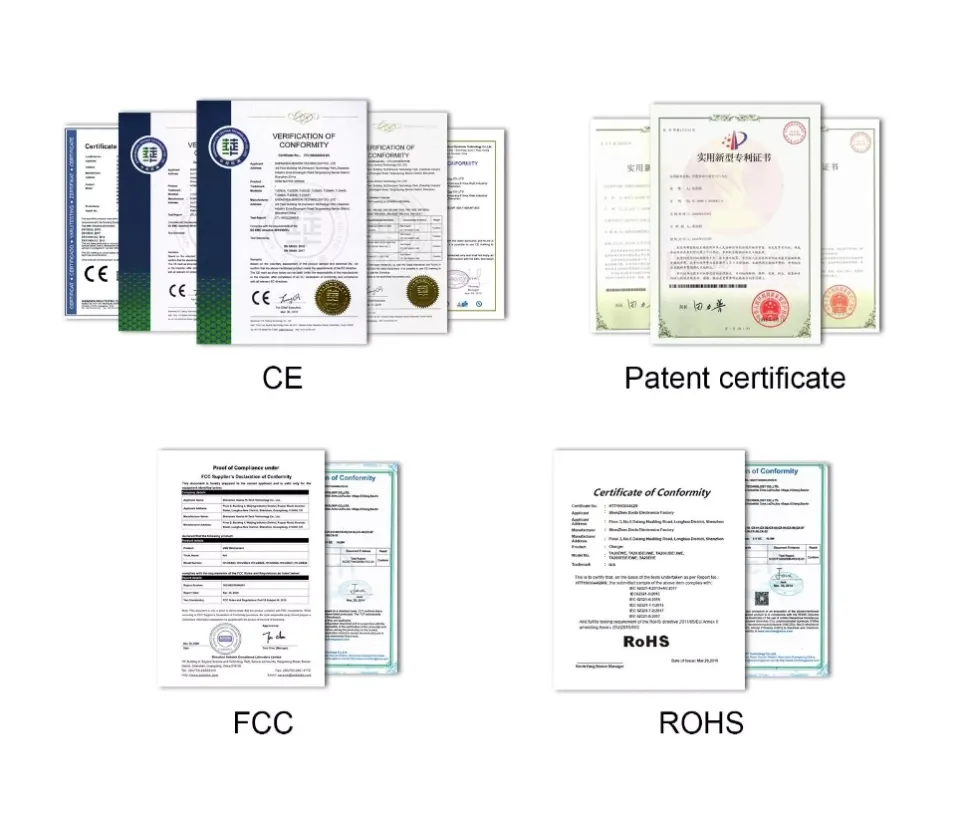
The certification logos, CE, FCC, RoHS and their peers, are claims, and like all claims they come in evidenced and unevidenced versions. The test is one sentence long: ask for the certificate copy and the test report. Suppliers who test regularly produce documents in days. Suppliers who print logos produce excuses, and a sourcing advisor's warning from our library applies here verbatim: a certificate issued somewhere is not permission to sell everywhere, and a printed logo is not a certificate at all.
Red Flag Six: Warranty Language Without a Process
"12-month warranty" is not a policy; it is a noun. The honest version describes a process: what the warranty covers, how claims are filed, what turnaround looks like, and who answers when the claim arrives. After-sales silence is the failure mode buyers report most bitterly, and it announces itself early, in listing language that names a number but not a system.
The Honest Counter-Example
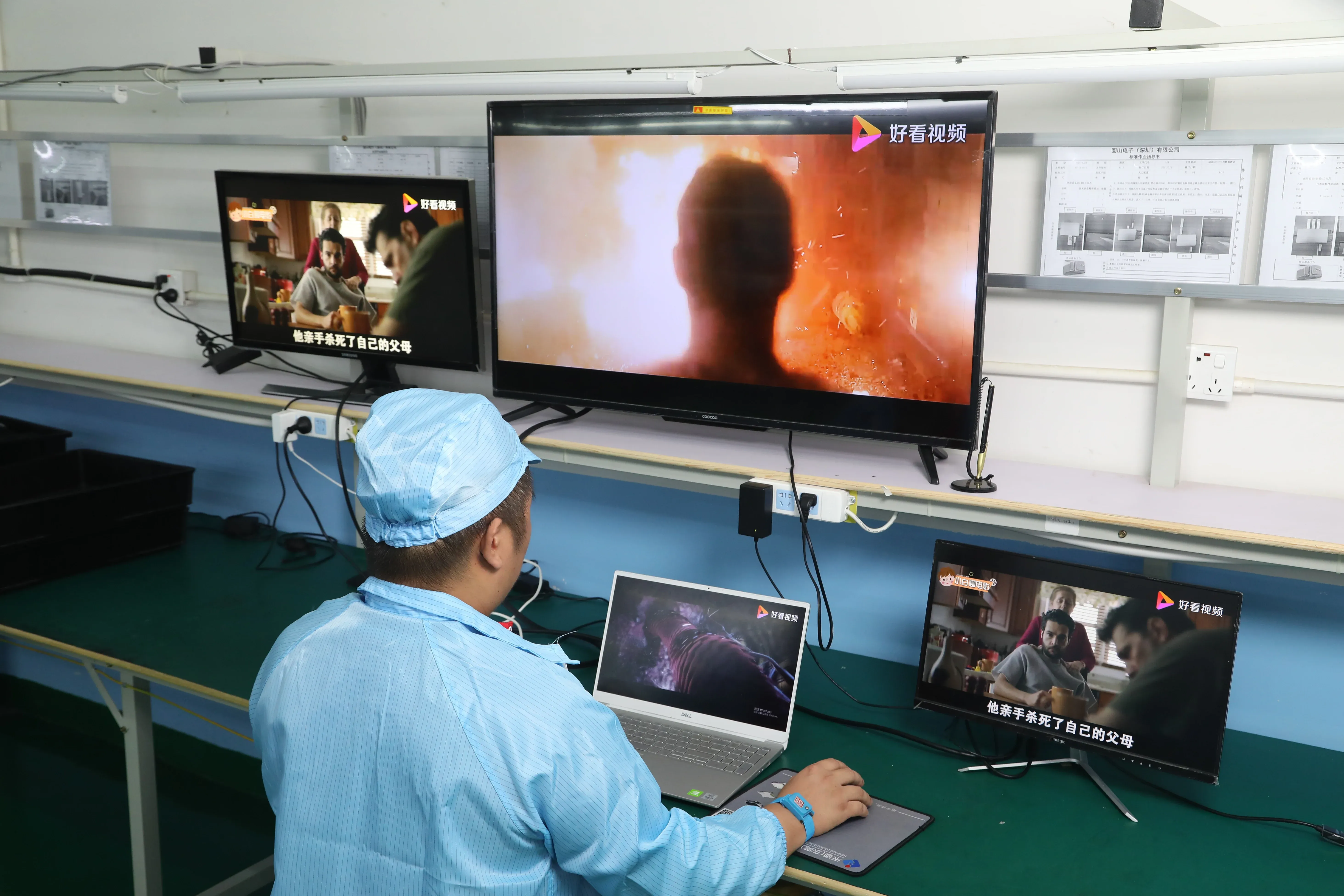
We write our listings the way we would want to read them: per-port power budgets stated, certification tiers named, documents offered with bulk orders, and a warranty process with a WhatsApp number attached, because our products are factory-built in Shenzhen with per-port testing and aging screening on every unit. Read your next accessory listing against the six flags above, and count them. Then, if you want to see what a zero looks like, message Kitty's team on WhatsApp at +86 186 8146 2886.