Product News
MZ167 8K HDMI 270 Degree Adapter: the Side Exit for Ports That Point the Wrong Way
The MZ167 8K HDMI 270 degree adapter mirrors the right angle for ports and approaches the 90 cannot serve. Why installers stock both orientations, and what aluminum carries.
MZ167 8K HDMI 270 Degree Adapter: the Side Exit for Ports That Point the Wrong Way
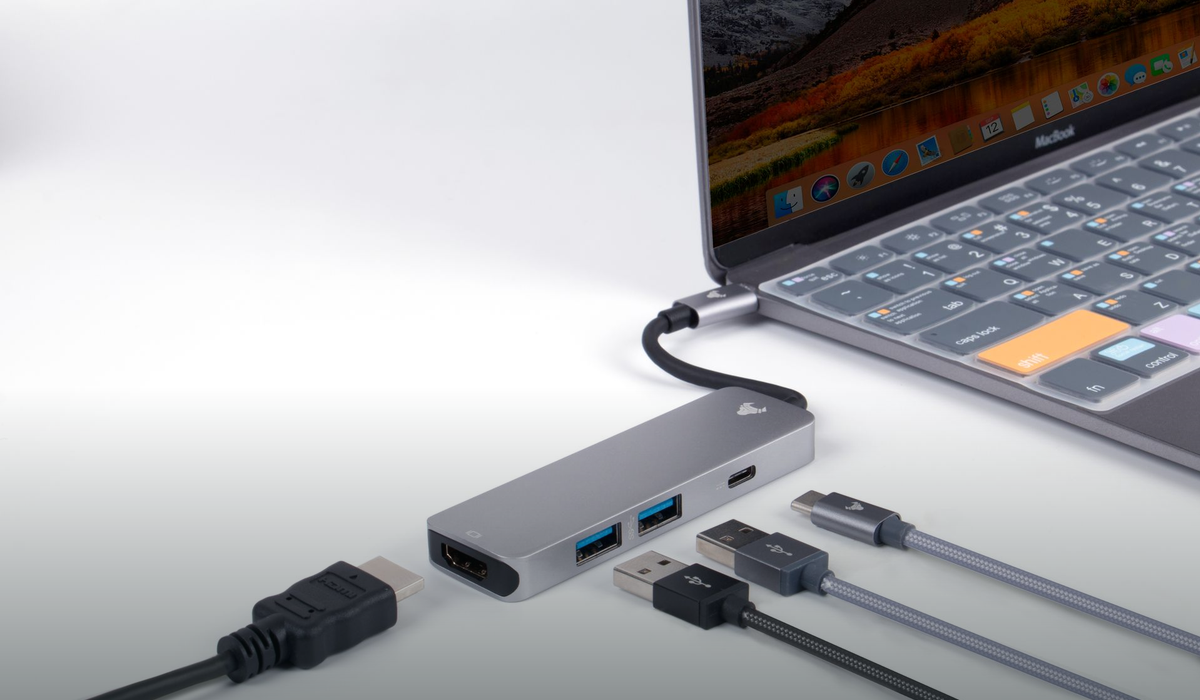
Last week this catalog added the 90 degree answer to the wall-mounted television. Today comes its complementary piece: the MZ167 8K HDMI 270 Degree Adapter, an HDMI male to female adapter in the 8K class with an aluminum shell, built for the installations where a downward exit is still the wrong direction. Between the two, the adapter family now covers the full circle of port geometry that real rooms impose.
The product page keeps the specification to the essentials: HDMI male to female, bent at 270 degrees, 8K class, aluminum. Short spec sheets on adapters are a feature rather than an omission, because every claim on the page is checkable in ten seconds on a bench. This article walks through what each line means in the field, and where the 270 wins over its right-angle sibling.
Reading the Geometry: What 270 Means at the Port
Port exit direction is the quiet variable in every AV installation. Standard HDMI plugs exit straight back from the panel, which works until the panel meets a wall, a cabinet back, or a mount arm. Right-angle adapters then come in flavors defined by which way the cable turns relative to the plug's orientation, and the two numbers that matter in the field are 90 and 270.
A 90 degree adapter, like the MZ166 added to the catalog last week, turns the cable to one side, the classic fix for displays mounted flush against a wall where the cable must drop straight down along the surface. The 270 degree adapter turns the cable the opposite way, which in practice means the cable exits toward the other side of the plug, useful for three situations installers meet constantly.
First, ports that face upward or sit close to a top edge, where a 90 turn would aim the cable into the panel itself or loop it awkwardly over the top of a cabinet; the 270 sends it away cleanly. Second, cable runs that approach from above, from ceiling-dropped projector lines or from conduit entering a media wall from the top; matching the adapter's turn to the cable's arrival angle keeps the run straight instead of forcing a loop. Third, paired ports: when a display's two HDMI sockets sit stacked vertically, one adapter orientation fits the lower port and the mirrored orientation fits the upper one, and stocking both lets an installer finish the job in one visit.
That last case is the commercial heart of the pairing. Nobody buys one adapter for a two-port display.
8K Class, So the Geometry Fix Is Never the Bottleneck
Adapters sit inside the signal path, and any adapter that negotiates the chain down converts a geometry fix into a performance regression. The MZ167 is specified for the 8K class, the top tier of current HDMI hardware, which means the adapter carries whatever mode the modern source and display agree on without flinching. Consoles, gaming PCs and media players all negotiate through it at the tier they were built for.
For the trade, this is the difference between stocking a fix and stocking a future complaint. The installed base of 8K-class sources grows every quarter, and an adapter bought in the previous tier ages exactly as fast as the port it was meant to serve.
Aluminum, at the Point of Highest Stress
The 270 bend concentrates mechanical force at the adapter body precisely because the whole point of the part is to stop the cable from flexing at the port. The MZ167's aluminum shell takes that load in metal rather than plastic, spreads the operating heat of an 8K-class signal across a body large enough to shed it, and survives the toolbag-to-installation handling that separates professional hardware from drawer accessories. On finished installations it also reads correctly: a metal adapter at a client's display looks like the installer planned for it.
The Family at a Glance
With the MZ167, the geometry family covers the practical circle: the straight connection for open backs, the 90 degree turn for flush wall mounts, and now the mirrored 270 for the ports and approaches those cannot serve. None of the three cannibalizes the others; each exists because a real installation demanded it, and a distributor stocking the pair of angles can complete any single-display job from the van without a second visit.
For retail brands and system integrators building the family into their own catalogs, the private-mold ratio behind the line, around 89 percent of the catalog, supports branded versions of both orientations under the same OEM terms, with no minimum order quantity for trial batches and lead times from 3 days for stock to 25 days for production.
The bench validation takes five minutes: source, adapter, display, the mode the chain is meant to carry, then an hour of motion-heavy content while you watch for dropouts. An adapter that passes that test has done everything the geometry promised, and nothing else in the install will bend the wrong way again.