Product News
MZ166 8K HDMI 90 Degree Adapter: the Right Angle That Saves the Port
The MZ166 8K HDMI 90 degree adapter moves the bend out of the port and into an aluminum body. Why installers buy right-angle adapters in bulk, and what 8K class changes.
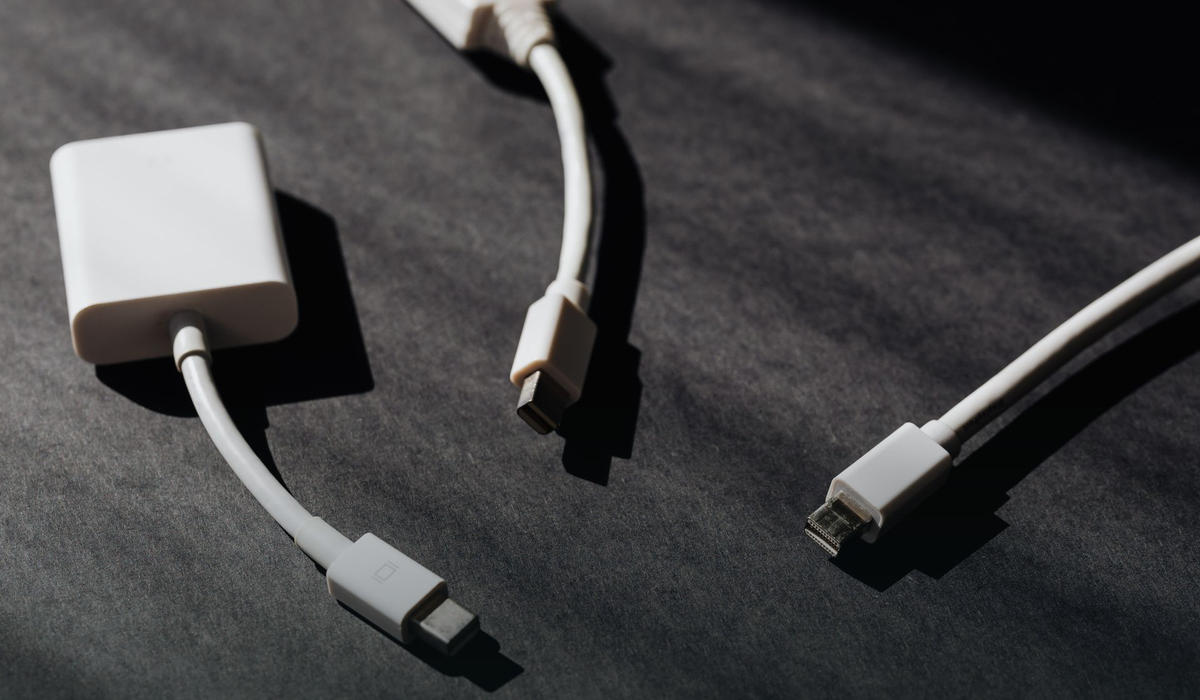
MZ166 8K HDMI 90 Degree Adapter: the Right Angle That Saves the Port
There is a particular kind of port damage that no warranty covers and almost every installer has caused. It happens behind wall-mounted televisions, inside shallow media cabinets, and along the back edge of desks: an HDMI cable with nowhere to bend, so the plug decides to bend the port instead. The MZ166 8K HDMI 90 Degree Adapter exists to absorb that geometry, converting a straight exit into a clean downward one before the cable ever meets the wall.
The specification, straight from the product page, is short: an HDMI male to female adapter bent at 90 degrees, rated for the 8K class, with an aluminum shell. Products in this family live or die on exactly those three facts, so it is worth reading each one the way an installer would.
What a 90 Degree Adapter Actually Changes
Modern displays put their ports on the back panel, facing backward. Mount the panel flush to a wall and the geometry turns hostile: the cable must make a right-angle turn in a space measured in millimeters, and the thing that flexes is usually the port's own solder joints. Over months, the slow torque of a hanging cable works the connector loose. The symptom arrives months later as an intermittent signal, and by then the repair means a service call to a wall-mounted set.
The 90 degree adapter moves the bend out of the port and into the adapter body. The HDMI plug enters the display pointing the same direction as before, but the cable now exits downward, flush along the wall, with no part of the assembly pressing outward. Port stress drops to near zero. Cabinet installations get the same benefit in reverse: depth-starved furniture stops crushing cables behind a screen, and media consoles close their rear doors again.
This is why professional installers buy these adapters in bulk rather than one at a time. Every wall-mounted panel is a geometry problem, and the adapter is the cheapest part of the solution.
8K Class, So the Fix Does Not Cap the Picture
An adapter sits inside the signal path, and the wrong adapter is worse than an awkward cable, because it can negotiate the whole chain downward. The MZ166 is specified for the 8K class, which places it in the current top tier of HDMI hardware rather than the legacy tier that most drawers still hold. Between a modern console, a current display and this adapter, the adapter is not the bottleneck.
That matters commercially as much as technically. The installed base of displays is graduating into the top HDMI tiers right now, and an accessory stocked in the previous tier becomes a downgrade story the first time a customer tests it against a new console. The MZ166 lets the trade attach a right-angle fix to modern installations without an asterisk.
Aluminum, Because the Back of a TV Is a Hostile Neighborhood
The shell is aluminum, and behind a wall-mounted panel that material is doing real work. Space is tight, airflow is minimal, and an 8K-class signal generates real heat across a long evening of film or play. Metal spreads that heat instead of trapping it, and it shrugs off the installation knocks that crack plastic housings before they ever reach a customer's wall.
There is also the installer's-eye view: aluminum reads as professional hardware. For AV integrators, hotel fit-outs and office conference rooms, the visible parts of an installation are the parts clients judge, and a metal adapter at the port photographs as built quality rather than a workaround.
Where It Sits in the Install Family
The right-angle adapter is one answer to the geometry problem, and the family around it covers the rest. Bends in other directions handle ports that exit upward or sideways; male-to-female gender changers extend cables rather than re-aim them; and for runs that cross a room before they reach the wall, cable length and tier selection take over from geometry entirely. The MZ166 is the piece for the most common case in the field: ports that exit straight into a wall.
For distributors serving the AV trade, the stocking logic is simple: every wall-mount job is a potential adapter job, and the adapter costs less than the smallest tool in the installer's bag. For retail brands, the private-mold ratio behind this catalog, around 89 percent, means the housing can carry your brand into installations your customers will look at for years.
Ordering Notes
The MZ166 ships under the standing terms of the line: no minimum order quantity, samples and small trial batches accepted, lead times from 3 days for stock to 25 days for production runs, OEM service welcome. The natural sample test is a bench one: plug source, adapter and display into the resolution and refresh the chain is meant to carry, run content with motion for an hour, and watch for dropouts. An adapter that passes that does not need a better story.