Industry News
TMR Thumbsticks Go Mainstream: What the Black Friday Controller Discount Says About the USB-C Accessory Economy
Razer cut Kishi V3 prices 40 percent and shipped TMR thumbsticks to mobile players. The enthusiast sensor upgrade has gone mainstream, with the USB-C accessory economy behind it.
TMR Thumbsticks Go Mainstream: What the Black Friday Controller Discount Says About the USB-C Accessory Economy
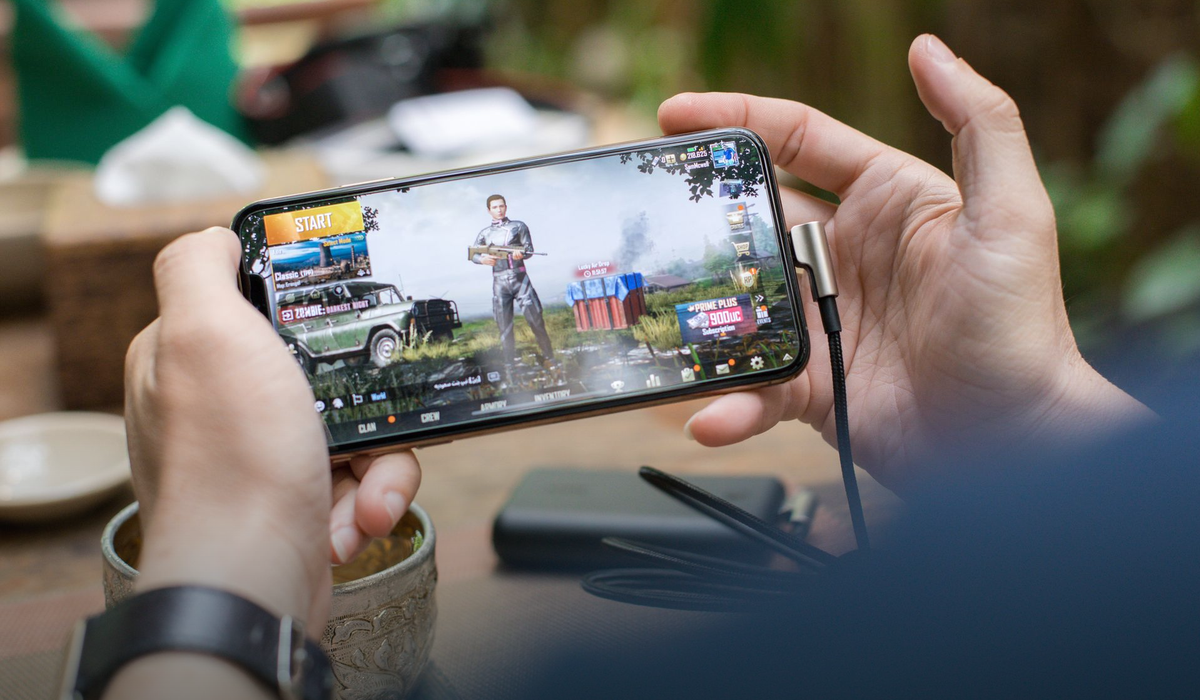
Razer put its Kishi V3 and V3 Pro USB-C mobile controllers on sale for Black Friday week at up to 40 percent off, and the interesting part of the story is not the discount. It is the spec that came down the price ladder with it: TMR thumbsticks, tunneling magnetoresistance sensors, have moved from the enthusiast upgrade of the year into discounted mobile grips that any shopper can impulse-buy. When a component technology crosses from forum enthusiasm into a mass-market promotion, the whole accessory category around it changes shape. This one is worth reading closely by anyone who sells or buys USB-C accessories.
Source: 9to5toys, November 23, 2026, reporting the Black Friday week pricing on the Kishi V3 and V3 Pro.
Why TMR Matters More Than the Discount
Most thumbsticks for the last two decades have been potentiometer-based: a physical wiper sliding over a resistive track. It works, and it is cheap, but the wiper wears, and wear shows up as stick drift, the input defect that has generated years of consumer complaints and warranty claims across the controller industry.
TMR sensors replace the mechanical wiper with a magnetic measurement through a tunneling junction. No contact, no wear track, so drift arrives much later if at all, and the sensor draws little power, which matters in mobile grips that share a battery budget with the phone they clamp onto. Through 2026 TMR was the upgrade that controller enthusiasts paid extra for on PC gamepads. The Kishi V3 promotion puts it into a mobile accessory at a discounted price, which is the classic signature of a component finishing its migration into the mainstream: the technology stops being a differentiator and becomes table stakes.
For component buyers the takeaway is direct. Sensor supply and tuning now sit on the critical path for anyone building input devices, and the volumes that make TMR modules economical are coming from mobile grips, not from boutique PC pads.
The Handheld Accessory Economy Runs on USB-C
Zoom out from the thumbsticks and look at what the Kishi form factor actually is: a split gamepad that clamps around a phone and connects over a single USB-C plug. Every unit sold is another USB-C peripheral in the wild, another device drawing power through and pushing data through that port, another customer who discovers what happens when a cheap cable or a marginal port sits in the chain.
That ecosystem detail is why this news belongs on an accessory industry blog rather than a gaming one. Mobile grips pull meaningful current while charging the phone passthrough style, they are handled roughly, they get stuffed into the same bag as keys. They stress cables, adapters and ports in exactly the way desktop gear never does. The accessory needs that cluster around them, short heavy-duty USB-C cables, OTG bridges for older phones still on micro-USB or USB-A worlds, and hubs that give a handheld a desk life with a display and a controller charging at once, all inherit the reliability requirements of this new use case.
There is a second-order effect too. Handheld gaming PCs turned a niche of PC gamers into people who carry a USB-C-powered computer everywhere, and mobile grips turned every recent phone into a console. Both audiences buy accessories at higher rates than the average phone owner, both judge accessories by how they survive being carried, and both are now reachable at mass-market price points rather than enthusiast prices.
What Black Friday Pricing Actually Signals
Discounts are information. A 40 percent cut on a current-generation product with an upgraded sensor inside means inventory exists to move, which means production volumes were committed on the expectation that mainstream buyers want TMR, not just reviewers. Manufacturers do not discount into demand they doubt.
For the accessory supply chain, the safe reading is that the USB-C peripheral population is compounding: more controllers, more handhelds, more docks, more adapters, and an installed base that refreshes every couple of years as sensor and charging technology step up. Distributors who currently stock cables and hubs aimed at office workers should notice that the same SKUs now serve a second, louder customer profile. A short 100W-rated USB-C cable is an office accessory on Monday and a handheld-gaming accessory on Friday, and the gaming customer is more likely to read the spec sheet.
The Reliability Lesson Worth Borrowing
The deeper story in the TMR migration is about component honesty. Stick drift became a consumer scandal because the failure mode was built into the dominant sensor design and everyone shipped it anyway. TMR is winning because it removes the failure mode rather than managing it.
Accessory buyers can apply the same filter to their own categories. Ask of any component: is this part of the design that will wear first, and is there a supplier addressing it structurally? Cables answered the question with braided sleeves and better strain relief. Adapters answered it with real bridge chips. Controllers are answering it with magnetic sensing. The product lines that earn repeat orders are the ones where the wearing part got engineered, not where the marketing got louder.
Mattzon's own corner of this economy is the plumbing layer: USB-C cables rated for high cycle counts, OTG adapters including chip-equipped bridges for mixed fleets, and hubs that turn one port into a desk. The company's range for this audience is on the product pages, with no minimum order quantity and OEM service for brands building their own grip-and-dock bundles.
The Kishi discount will end this week. The mainstreaming it signals will not.