
Industry News
Apple Opens Its Home Accessory Aisle and Hands ODMs a Map
Apple ships the HomeView hub, a new Apple TV 4K and its first Home Collection accessories together. What first party attach means for ODM factories, and where the gaps are.
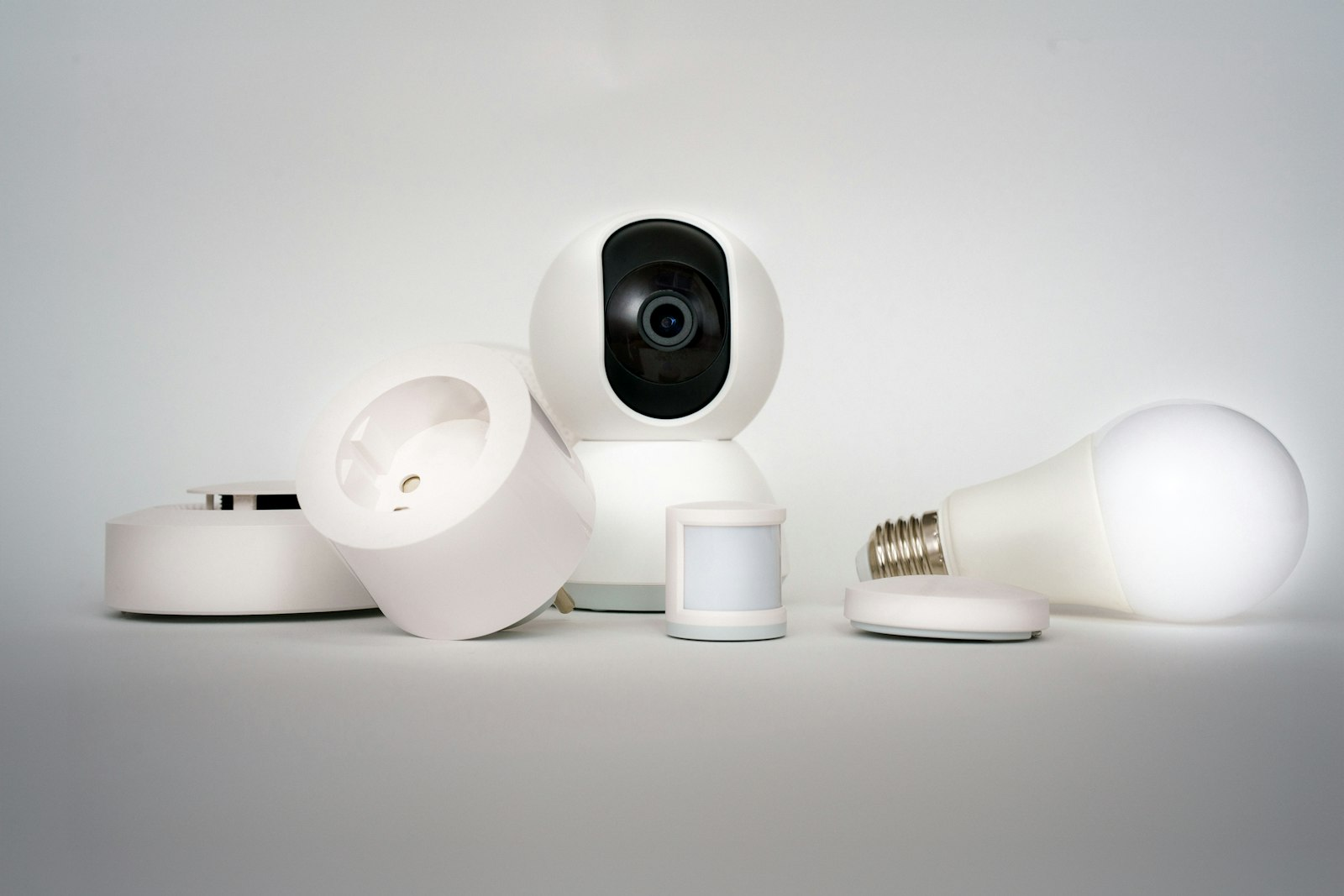
Apple has started selling the furniture around its smart home. On November 12, 2026, 9to5Mac reported that the first Home Collection accessories will be available for pre-order this Friday, landing the same day the HomeView hub and the new Apple TV 4K reach stores. The announcement is small in product count and large in meaning. When a first party launches a category and its accessories on day one, it is telling the market the demand is real, and it is drawing the map of where the spending goes.
What actually shipped
Three things arrive together. The HomeView smart home hub becomes the always on center of the home platform. The new Apple TV 4K refreshes the living room streamer. And the first Home Collection accessories, the stands, mounts and cases that surround both, go up for pre-order on the same Friday. Accessory launches usually trail hardware by months. Here the accessories ship with the hardware, which is the attach economy playbook executed in its cleanest form.
For anyone planning an accessory portfolio, the timing detail matters as much as the product list. The installed base of hubs and streamers starts growing the day hardware reaches stores, and every unit sold carries its own shopping list of stands, mounts, cables and cases.
Compare that with the usual third party rhythm, where a new device appears first and a scattering of cases and mounts follows over the next few months. A first party that pre-commits its accessory line changes the shelf from the first weekend. Retail assortments get planned around the official catalog, distributors see the category validated in a single announcement, and the early third party entries compete against a defined baseline instead of an empty hook.
The attach playbook, explained by the first party
Every hub sold creates a placement decision. Every streamer sold creates a wall mount decision, a cable run decision and a travel decision. First parties know this, which is why the largest hardware companies keep moving into categories that used to belong entirely to third parties. Accessories attached to a device often carry better margins than the device itself, and the seller who controls them controls the shelf.
For the accessory trade, first party entry does two things at once. It confirms the category demand is real, because no first party builds cases and mounts for a product it doubts. And it raises the bar, because the official catalog now defines the baseline design language and the baseline price.
Where the doors stay open
The official catalog is finite. It covers the configurations Apple chose to make, at the prices Apple chose to set, in the colors Apple chose to ship. The doors for factories sit in the gaps. Price tiers below the official ones. Colorways beyond the standard finishes. Multi device configurations, like a stand that holds a hub and a streamer together, or mounts designed for installs the official line does not imagine. Longer cable options, since first parties rarely sell the three meter HDMI run that a wall mounted display actually needs. Cable management that hides the run completely. Travel and protection cases for the streamer that moves between rooms or between homes.
None of these require reinventing the products. They require reading the official catalog carefully and building one step to each side of it.
Positioning rules when the first party is in the room
Selling around a first party catalog comes with rules. The first is design discipline. A case that copies the official look too closely invites takedowns and reads as second rate to buyers who see both. The second is claims discipline. Certification programs exist for a reason, and a factory should only advertise platform compatibility marks it actually holds. The third is timing. The attach window is widest in the first two quarters after a hardware launch, while installed bases grow fastest and the official catalog is still thin. Factories that tool during the pre-order window and ship into the first holiday season capture the wave. Factories that start after reviews consolidate the accessory picks capture the leftovers.
What this means for cable and mount makers
The practical read for our side of the trade is straightforward. A refreshed Apple TV 4K feeding a wall mounted display is an HDMI cable sale waiting to happen, and a hub that lives on a shelf is a mount and a cable management sale. The category keeps compounding because each device generation restarts the attach cycle for the whole accessory family around it.
Mattzon works this attach economy from the factory side, with 89 percent of products on private tooling for OEM and ODM programs, samples accepted with no minimum order quantity, and production windows of 3 to 25 days from Shenzhen. For buyers watching the smart home accessory wave, the moment to send the project list is while the pre-order lines are still forming, not after the official catalog has filled every visible gap.
Source: 9to5Mac, November 12, 2026, 9to5mac.com