Industry News
Sold Out Through 2027: Kioxia's Capacity Warning and the Storage Squeeze
Kioxia says its 2027 chip capacity is already sold out, with 2028 quotas more than half locked. The storage squeeze has a multi-year horizon now.
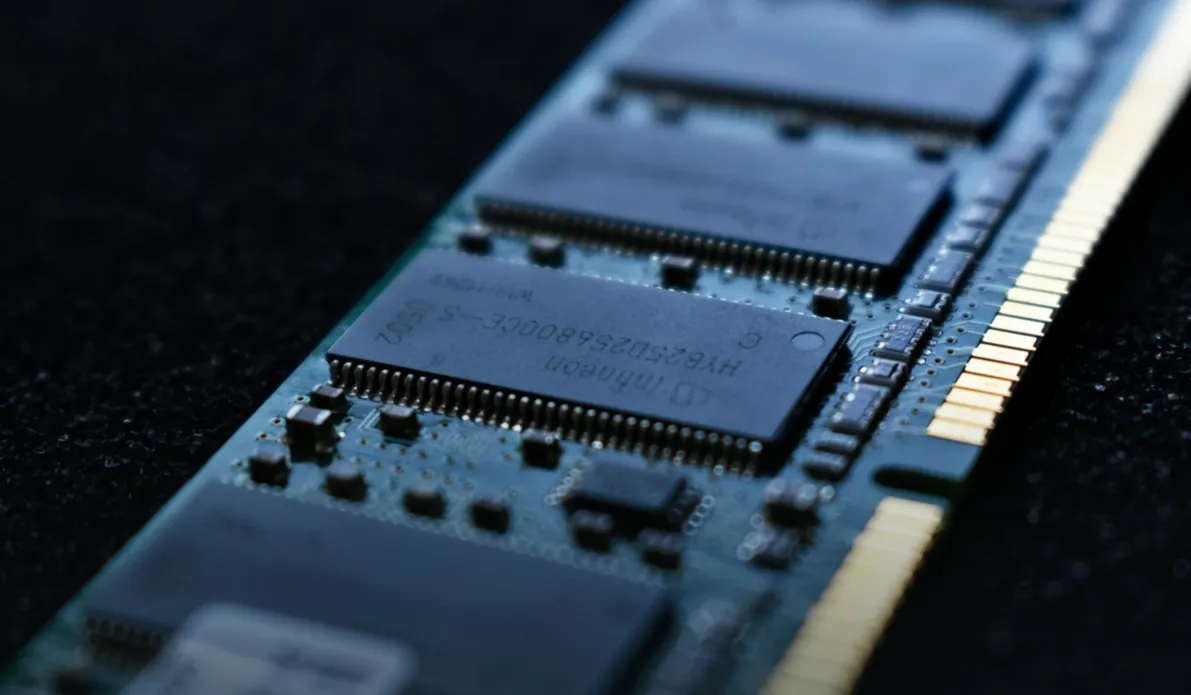
The storage squeeze just announced its horizon. As IT之家 reported on November 2, citing ITmedia, Kioxia, one of the world's major NAND flash makers, says its chip capacity for 2027 is already fully sold out, with 2028 quotas more than half locked, and negotiations running for 2029 and 2030. Flash supply is not merely tight this quarter. It is contracted years into the future.
This lands two weeks after our coverage of the NAND price squeeze driven by AI data center demand, and it confirms the structure behind the prices: flash capacity is being absorbed years in advance, by AI infrastructure, enterprise storage and the device industry all ordering ahead of need. For anyone who buys, stocks or builds storage accessories, the planning horizon has officially moved from quarters to years.
Why Multi-Year Sellouts Change the Accessory Market
Storage accessories, enclosures, SSD-bay hubs, card readers, live or die with the cost and availability of the drives and cards around them, and a multi-year sellout reshapes both. Component economics: when flash makers can pre-sell years of output, prices find a firm floor, and the wild discounts of surplus cycles become rarer; budget tiers will still exist, but the deep-cut, below-cost deals that trained buyers to wait will thin out. Planning discipline: distributors and brands who order storage-adjacent products late will find allocations spoken for, which rewards buyers who commit earlier and work with suppliers whose factory terms allow staged delivery, samples first, bulk on schedule.
And there is a quieter consequence worth naming: as drives get committed years ahead, the drive you already own becomes an asset worth engineering for. A bay that accepts standard drives, an enclosure that keeps an older SSD in service, a reader that honors the microSD cards already in the drawer: products that extend the life of existing storage gain value in exactly the years when new storage is contracted ahead.
What Buyers Should Do Now
Three moves fit a multi-year sellout. Bring storage decisions forward in your planning calendar: 2027 programs are being quoted now, and the buyers who specify early choose suppliers rather than accept allocations. Prefer flexible architectures: hubs and docks with standard M.2 bays, readers that take multiple card generations, products that accept the drives the market actually offers as its tiers shift. And anchor on suppliers with factory depth, because in a contracted market, manufacturing capacity is allocation too: our own Shenzhen plant runs 89% private-mold products, no MOQ, samples first and 3 to 25 day lead times, and that combination is precisely what lets buyers move early without overcommitting.
The Mattzon Read
Our SSD enclosure hub family, the MZTC8723 dual-protocol, the MZTC8722 NVMe drive-dock and the 15-in-1 MZTC9791 flagship, is built for exactly this market: standard drive formats, tested bays, aluminum thermal paths and published specifications, so the storage you install, from whatever source and whatever price the cycle offers, works the day it arrives and keeps working. When supply gets contracted years ahead, the accessories around it should be the predictable part of the equation.
If you are planning storage and connectivity programs for 2027 and want supplier terms that fit a contracted market, message Kitty's team on WhatsApp at +86 186 8146 2886.
Sources: IT之家 citing ITmedia (Nov 2, 2026): Kioxia 2027 capacity fully sold out, 2028 quotas over 50% locked, 2029-2030 in negotiation.