Industry News
The Panel Outran the Port: What the Redmi TV A55 Tells the Accessory Trade
Redmi shipped a 165Hz panel with HDMI 2.0 ports, capping 4K at 60. The panel versus port mismatch is now standard, and the accessory education lane is open.
The Panel Outran the Port: What the Redmi TV A55 Tells the Accessory Trade
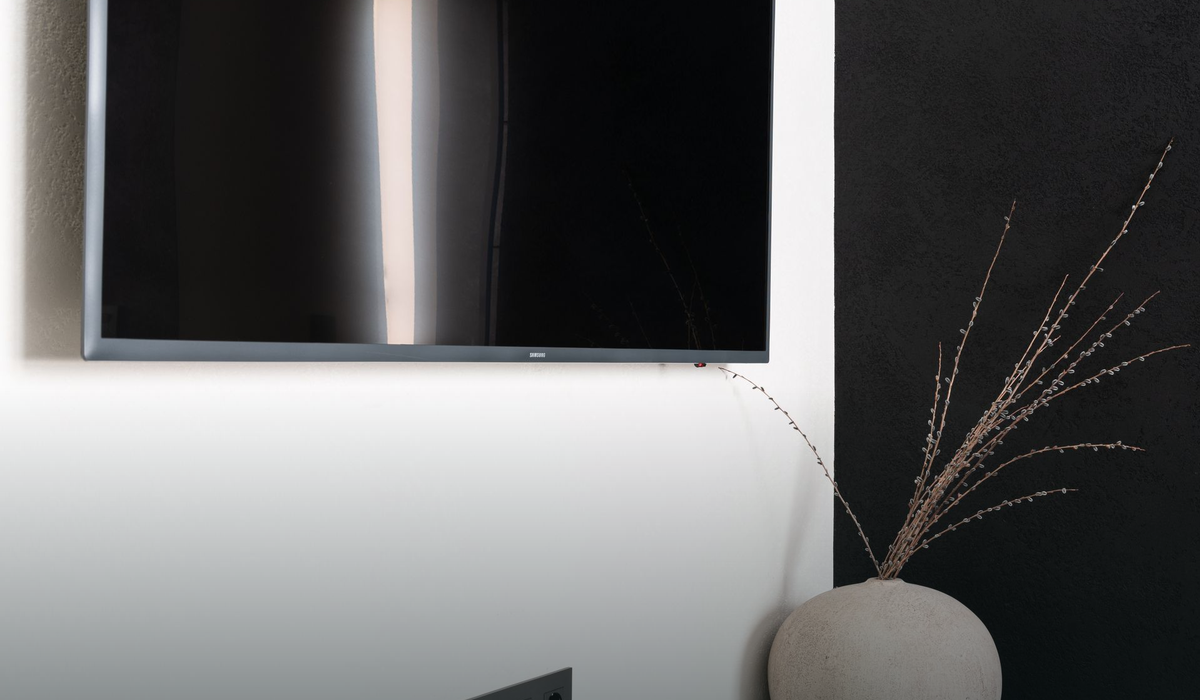
Xiaomi's Redmi TV A55 2027 launched in China this week with a genuinely fast 165Hz panel and a set of HDMI 2.0 ports that cap external 4K sources at 60 frames per second, and reviewers flagged the mismatch immediately. Source: TechGenyz, November 27, 2026. The set is not defective. It is a perfectly accurate snapshot of where the value display market is heading: panel technology moving faster than port bandwidth, and the gap between the two becoming the industry's quietest specification trap.
For the HDMI cable and accessory trade, that gap is not bad news. It is the textbook definition of an education-led selling opportunity, and it is worth unpacking why.
How the Mismatch Happens
Panel capability and port capability improve on different clocks. High-refresh LCD and OLED panels are now cheap enough to land in entry-tier televisions, because the display industry has spent years industrializing 165Hz-class glass for monitors and can amortize it across TV volumes. Port bandwidth, on the other hand, is a licensing and silicon decision: newer-generation HDMI inputs carry royalty and controller costs that a value-tier bill of materials is engineered to avoid.
The result is a television whose screen can technically draw frames at rates its inputs will never receive. Console gamers plugging a current-generation machine into such a set discover that the fast panel only shows its speed from the TV's own apps, while their console negotiates down to what the port allows. PC users meet the same wall through their graphics output. Nothing breaks. The promise simply shrinks on connection, politely and without an error message.
Why This Recurs Instead of Going Away
The economics that produced the A55 will keep producing its cousins. High refresh numbers sell panels on retail shelves, where the spec sheet is the pitch. Port bandwidth appears nowhere on the shelf tag, and the buyers most sensitive to price are the least equipped to audit it. As long as refresh rate remains a headline and port generation remains footnotes, value-tier televisions will keep pairing headline panels with footnotes' ports.
The pattern extends beyond televisions. Monitors have shipped with mismatched port rosters for years. Receivers, soundbars with HDMI pass-through, capture and streaming boxes: every HDMI chain accumulates at least one link built for a previous era, because chains are assembled over time from whatever was best value at the moment. The mismatch is not a Redmi story. It is the standing condition of every installed display chain in the market.
The Education Opportunity, Stated Plainly
Here is the commercial logic for the trade. A customer who owns a mismatched chain has a problem that accessories can partially solve, fully diagnose, or at least honestly explain, and all three paths build trust. The buyer with a fast panel on older ports needs to know which of their ports is which, what their source really outputs, and what a certified cable for the correct tier changes versus what it cannot. A customer who hears that explanation stops blaming the cable for the port, or the port for the panel, and starts buying the right link when the time comes.
The conversation script fits on a card. Ask what the source outputs. Ask which port it is plugged into, and what generation that port is. Test the cable at the target mode with sustained motion. Then the weakest link is on the table, and the recommendation is obvious. Retailers who run this script convert a spec confusion into a sale; distributors who train it into their channel turn the industry's recurring mismatch into recurring orders for tier-correct cables, adapters and switches.
There is a second-order effect worth naming. Mismatched chains make upgrade paths visible. The owner of an entry set with generation-old ports is a prospective buyer for exactly the add-ons that squeeze the most from their hardware while they save for a better set, and the migration from entry to mid-tier displays happens through the accessories aisle more often than through the television aisle.
What the Trade Should Watch Next
The value-TV segment sets the pace here because it ships the most volume, and its 2027 lineups will tell us whether port bandwidth starts appearing in shelf specs or keeps hiding. If it stays hidden, as the economics suggest it will, the education lane stays open for years: every seasonal console wave and every graphics generation re-runs the same mismatch through a fresh cohort of buyers.
The supply side should be ready with the pieces the script ends with: certified HDMI cables at the correct tiers, the adapter family that fixes geometry without capping signal, and switches that stretch older port rosters across more devices. That shelf already exists on this site's HDMI lines, built in the same Shenzhen facility, with no minimum order quantity for brands that want to bundle an education card with a tier-correct cable and see whether their market reads it.
The A55's buyers got a beautiful panel and a footnote. The accessory trade's job is to make the footnote legible, because legible footnotes are where the next decade of display accessories gets sold.