Product News
MZ082 OTG Adapter: the Chip in the Bridge Changes Everything
MZ082 brings a real chip to the USB-A to USB-C OTG bridge: dual-sided 10Gbps, aluminum shell and cleaner enumeration for demanding accessories. Where it beats the chip-free MZ080.
MZ082 OTG Adapter: the Chip in the Bridge Changes Everything
There are two ways to bridge an old USB-A world to a new USB-C one. You can build a dumb bridge, a passive pass-through that simply routes the pins across, or you can build a smart one that carries a real chip and lets devices negotiate properly. Most catalogs carry the first kind because it is cheap. The MZ082 USB-A Male to USB-C Female OTG Adapter is the second kind, and this week it joins the line as the thinking buyer's option in the OTG drawer.
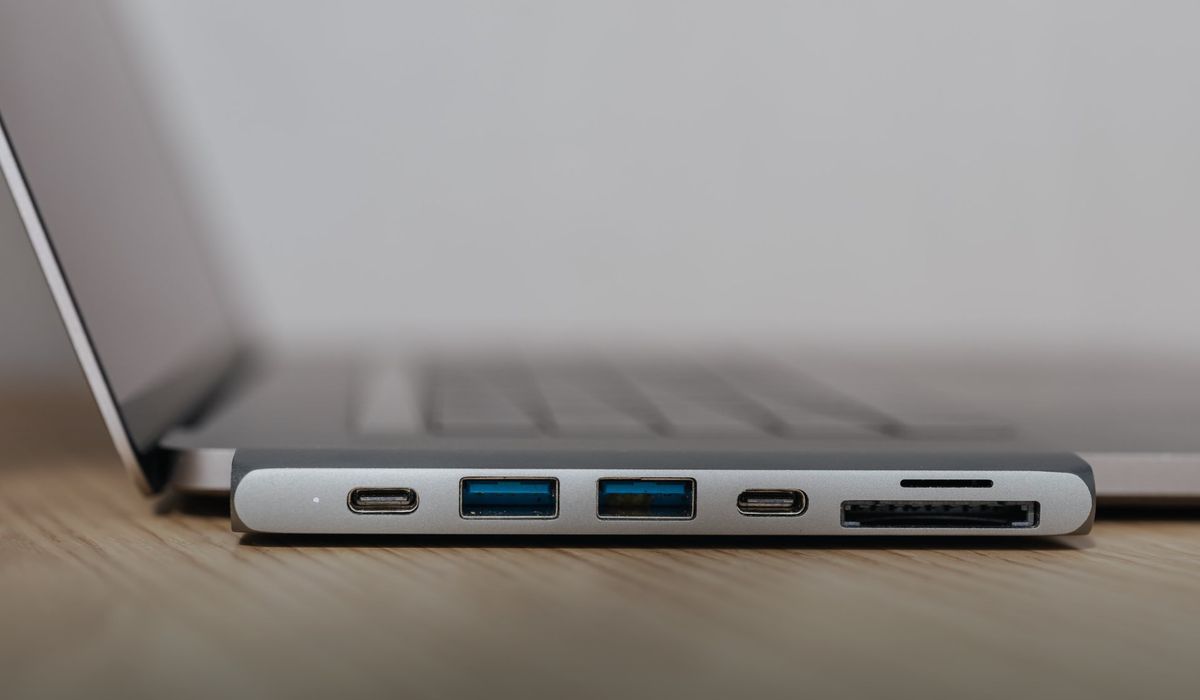
The spec sheet reads short on purpose: USB-A male to USB-C female, USB 3.1 with 10Gbps data rate, a design that includes a chip and supports dual-sided 10Gbps, all inside an aluminum shell. Every one of those words is doing work, so let us unpack them the way a purchasing manager would.
Why a Chip in an Adapter Is a Feature, Not a Detail
Passive adapters are fine for accessories that never argue with the host: a mouse does not negotiate, a keyboard does not care. Trouble starts with devices that need a real conversation on connection. Card readers with their own controllers, portable drives, some capture and audio hardware, these devices enumerate more cleanly when the adapter in between carries proper electrical characteristics instead of just copper traces.
That is what "with chip" means on the MZ082. The onboard chip manages signal conditioning between a USB-A host and a USB-C device, which translates into fewer handshake surprises: drives that mount on the first try, readers that do not vanish mid-transfer, and accessories that behave the same across different host machines. If you have ever troubleshot a "the drive works on my laptop but not on the desktop" ticket, you have met this problem before. A chip-equipped bridge is often the difference between a support ticket and a non-event.
For resellers, that property has a commercial name: fewer returns. An adapter costs little, but a return costs the product price twice, plus the labor of handling it, plus the review it leaves behind. Specifying the chip up front is cheap insurance.
Dual-Sided 10Gbps, Decoded
USB-C connectors are reversible, and passive adapters sometimes quietly break the experience by supporting high speed in only one orientation. The MZ082 is specified for dual-sided 10Gbps, meaning the full USB 3.1 data rate is available whichever way the user flips the plug. It sounds like a small thing until you picture the actual user: someone plugging a flash drive into a conference room desktop in a hurry, in the dark behind a monitor stand, flipping the adapter because it did not register.
Dual-sided support means the flip never happens, or if it does, nothing changes. Ten gigabytes of photos copy at the same speed in both orientations. For a twenty-gram accessory, that is a genuinely user-visible piece of engineering.
Aluminum, Because Adapters Lead a Rough Life
OTG adapters live in the harshest environment in the whole accessory ecosystem: pockets, key bowls, camera bags, the bottom of laptop sleeves. They get sat on, stepped on and used as fidget toys. The MZ082's aluminum shell serves two purposes here. It dissipates the small amount of heat a 10Gbps bridge generates, and it survives the pocket ecosystem that cracks plastic housings within months.
The metal shell also reads as quality at the moment of purchase. On a retail shelf or a distributor's line sheet, an aluminum-bodied adapter photographs and feels like a different product class than a bare plastic one, which supports the price you can ask for it.
Where It Sits Next to Its Twin
Regular readers met the MZ080 last week: the same USB-A male to USB-C female direction, chip-free, specified at USB 3.2 with 10Gbps in an aluminum shell. The two adapters are a deliberate pair, not a redundancy, and choosing between them is a straightforward purchasing decision.
Choose the MZ082 when the destination accessory is serious hardware. Card readers, portable SSDs, audio interfaces, anything with its own controller and its own opinion about handshakes. The chip earns its cost there, and dual-sided 10Gbps removes the orientation variable entirely.
Choose the MZ080 when the use is simple and the price matters most. Keyboards, mice, basic flash drives on office machines. The chip-free bridge handles those all day, and the budget per unit drops accordingly.
Stocking both is not indecision, it is segmentation. A distributor who offers the cheap dumb bridge and the smart chip bridge covers the full customer spread without either SKU cannibalizing the other, and the honest spec sheets make the upsell conversation easy: this one has a chip for demanding devices, that one saves you money for everything else.
The Usual Mattzon Ordering Reality
Both adapters ship under the same terms as the rest of the catalog. No minimum order quantity, so a trial batch of each direction can go into evaluation together. Samples and small batches are accepted, useful when you want to A/B test the chip-equipped and chip-free bridges against your actual device fleet before committing. Around 89 percent of the company's products are private mold, and OEM service is welcome for buyers building the adapters into their own accessory kits. Standard lead times run from 3 days for stock items to 25 days for production runs.
The USB transition is now old enough that nobody expects it to end soon, and the drawer of USB-A accessories keeps growing instead of shrinking. Bridges like the MZ082 are how that drawer stays useful, and the chip is why this particular bridge belongs in a professional buying list rather than a bargain bin.