Buying Guides
Extension Cable or Longer Cable: How to Bridge a Distance Without Losing the Link
A mated joint is the least reliable part of any link. What an extension actually adds, where extensions genuinely fit, and the decision rule that keeps chains reliable.
Somewhere between the device and the wall, every install hits a distance question, and the two answers competing for the purchase are the extension cable and the longer cable. They look interchangeable on a catalog page. They behave very differently in a working system, and choosing between them on price instead of architecture is how intermittent faults are born. This guide explains what an extension actually adds to a link, where extensions are the right answer, and the decision rule that keeps signal chains reliable.
What an extension joint really is
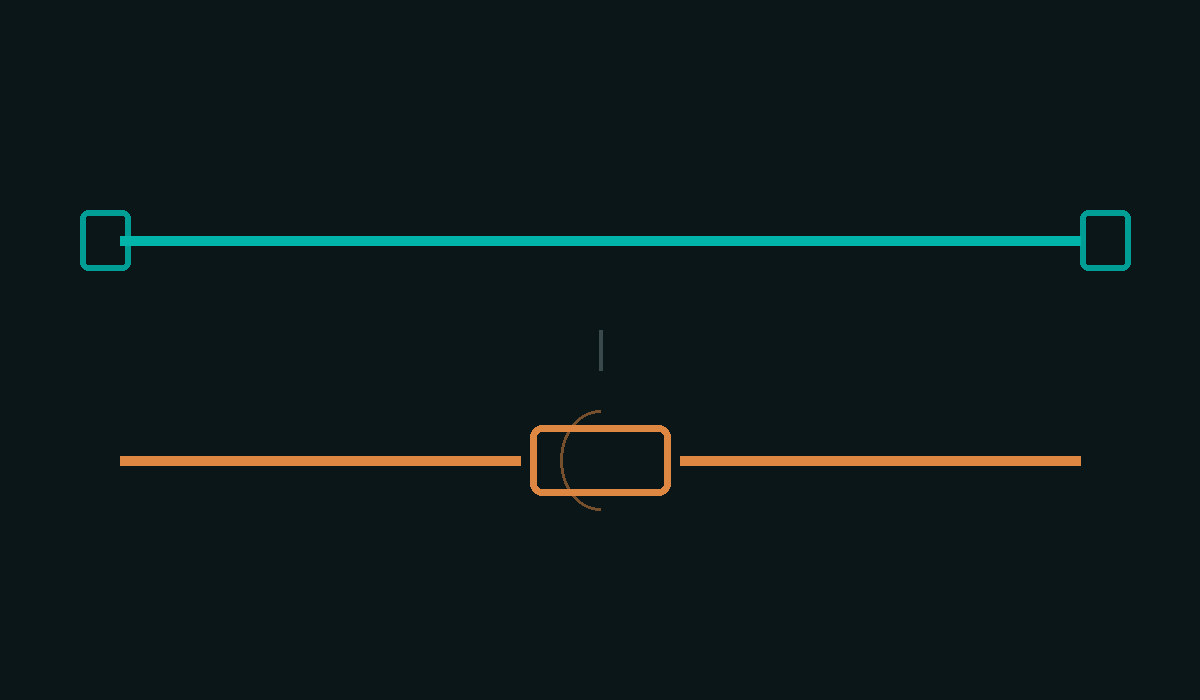
An extension does not extend a signal. It adds a connection. That distinction carries every consequence in this guide, because a mated connector pair is the single least reliable component in any signal chain, far more fragile than the cable on either side of it.
Every joint is three risks stacked together. Contact resistance rises at every mated surface and climbs further as the pair wears through insertion cycles. The joint is a mechanical stress point where any tug, weight or bend transfers directly into both connectors. And each joint re-runs the negotiation: on digital links with handshakes, an added connection is one more place for EDID conversations, power delivery profiles or device detection to behave differently than they did on the bench. A cable that tested perfectly as a single run can start dropping, blinking or renegotiating after an extension joins it.
When a longer cable is the better answer
The default answer for a fixed distance is a single cable manufactured at that length. One continuous run means one jacket, one set of conductors engineered for the distance, one connector pair at each end and no joints anywhere in between. The link is as good as its weakest part, and a purpose built cable has no weak part it did not choose.
This is why the honest rule for permanent installs is blunt: measure the distance, add a service allowance, and buy the cable at that length. Behind a wall, above a ceiling or inside a furniture run, where nobody will touch the connection again for years, an extension joint is a service appointment waiting to be scheduled. The small saving of using two existing cables instead of one longer one disappears the first time the intermittent fault needs diagnosing, because diagnosing a joint means isolating it, which means touching everything around it.
Where an extension genuinely wins
Extensions are not the wrong product. They are the right product for a different job: variability. When the fixed infrastructure stays where it is and the device at the end changes, an extension is the correct architecture. A wall mounted display with a short factory cable, feeding a variable position laptop through an extension, beats replacing the installed run every time the desk moves. A charging point on a shared table, extended to wherever today's device sits, is exactly what extensions are for. Test benches, demo counters and rental cases all live on extensions, because their geometry changes by the day.
The buying rule for those environments: spend on the extension quality the same way you would spend on the cable, because the joint inherits importance from its position. Strain relief at the joint, secure seating, and a rating matched to the link are what separate an extension that disappears into the system from one that generates ticket after ticket.
The speed tier caveat on USB-C links
Extension behavior changes with bandwidth, and the changes are not intuitive. A short passive extension can serve a charging link or a USB 2.0 data link without ceremony. The same passive approach on a 10Gbps class link is a different story: high speed data over an added passive segment is where signal integrity gets spent, and ratings quietly stop applying across the joint. Buyers extending high speed USB-C links should look for extensions specified honestly for the tier they need, and treat any extension rated above its tested class with suspicion.
The same logic scales to video. HDMI and DisplayPort links at high refresh tiers behave the same way: joints cost margin, and margin is exactly what high bandwidth modes lack. For long video runs, the industry's answer has been active and fiber optic construction, which carries the signal actively rather than hoping a passive joint survives the distance.
The decision rule, in one sentence
Choose the longer cable when the distance is known and the link matters, and choose the extension when the distance changes and the budget for quality is honest. Everything else is detail, and the detail is on the spec sheet: every rating on a box describes a complete link, not a link plus whatever someone added to it.
What we supply
Mattzon manufactures cable lines across the lengths and tiers that make single run answers practical, alongside USB-C adapter lines for the variable geometry jobs where extensions and adapters genuinely fit. The range supports OEM and ODM programs with 89 percent of products on private tooling, samples and small trial batches are accepted with no minimum order quantity, and production runs are scheduled in 3 to 25 days from our factory in Shenzhen, with CE, FCC and RoHS documentation for destination markets.
Measure the distance first, then send us the number. The link is cheapest the day it is specified correctly and most expensive every day after it is not.