
Oct 21, 2026Buying Guides
Cat5e, Cat6, Cat6a: Which Ethernet Cable Does Your Desk Need?
Cat5e, Cat6 or Cat6a: the categories decide whether your new 2.5G adapter actually reaches 2.5G. The ethernet ladder explained for desk buyers in five minutes.
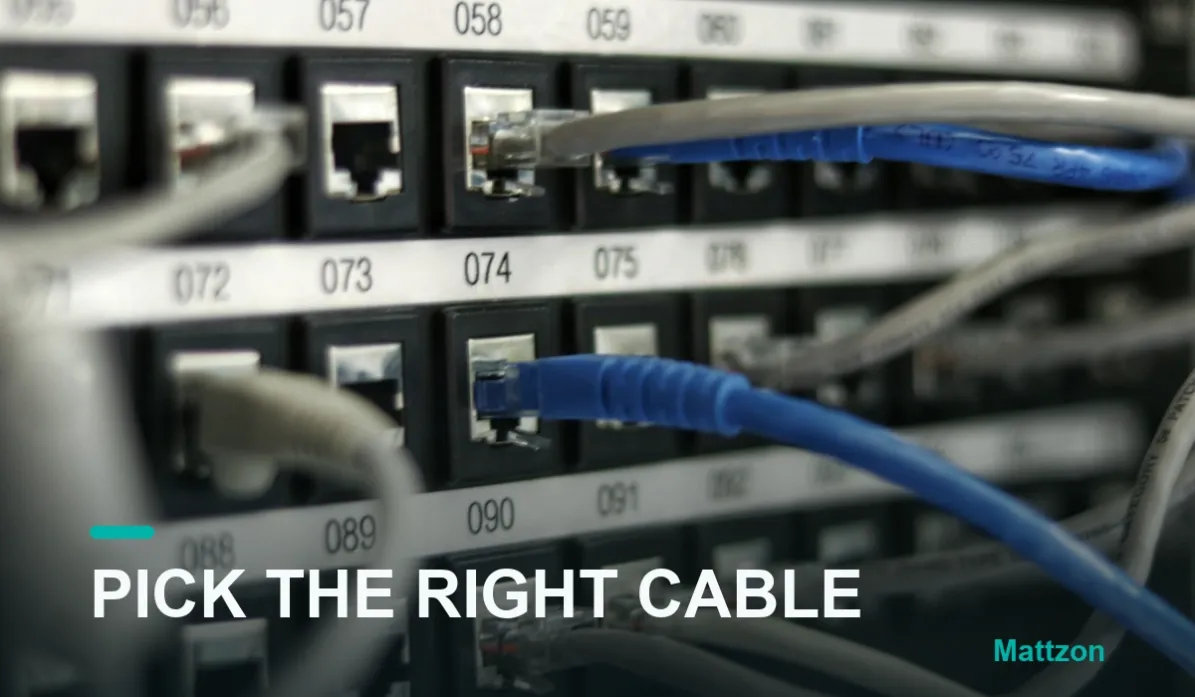
Ethernet buying has a sneaky failure mode that Wi-Fi never has. Buy a faster wireless router and the speed arrives. But buy a 2.5G ethernet adapter, plug it into the network with a ten-year-old Cat5e cable, and the link will negotiate politely, run without errors, and still leave speed on the table, because the ethernet categories are a ladder, and your adapter can only climb as high as the cable allows. Here is the ladder, and how to pick the right rung in five minutes.
The Categories in One Paragraph Each
Cat5e, the most common cable already inside walls, is rated for gigabit speeds at 100 meters, and, under the 2.5GBASE-T and 5GBASE-T extensions, can carry 2.5G and even 5G at shorter distances. It is the reason a 2.5G adapter works in older buildings without rewiring. Cat6 tightens the specifications, handles gigabit with more headroom, carries 10G up to about 55 meters, and is the sensible default for new desk runs. Cat6a certifies 10G at the full 100 meters and adds shielding headroom, which matters for dense cable bundles and electrically noisy rooms.
For the desk itself, the runs are short, usually under five meters, so Cat6 covers virtually every real desk scenario, and Cat6a is for the long or demanding runs: between floors, through ceilings, or alongside power where interference lives.
Match the Cable to the Adapter
The desk rule is a chain rule, the same one that governs display links: the adapter, the cable and the switch port must all be rated for the speed you want. Pair a 2.5G adapter like the MZT0190 with a Cat5e run and it will generally negotiate its full 2,500Mbps, since that standard was designed for legacy cable; pair a Gigabit LAN port like the one on the MZTC9322 hub with anything, and gigabit flows. The mismatch to avoid is the reverse direction: a 10G or 5G adapter on a bargain cable silently capped at 1G, which buyers discover only when the file transfers feel familiarly slow.
The Red Flag: CCA Cables
One warning belongs in every ethernet guide: avoid CCA, copper-clad aluminum, cables. They look identical, cost less, and fail in ways copper does not: higher resistance, fragile conductors, and compliance problems, because the standards assume copper. Ethernet is the one desk link measured in decades, and the cable is its cheapest component; buy pure copper from a supplier who states it, and the wall never has to be opened twice.
Shielded cable, STP or FTP, is worth considering only in electrically noisy environments or for runs bundled near power; for a standard desk run, quality unshielded cable performs identically and is easier to work with.
The Desk Verdict
New desk run: Cat6. Existing walls with Cat5e: your 2.5G adapters will work today, with Cat6 as the upgrade when walls open anyway. Long or industrial runs: Cat6a. And pair the cable with adapters that deserve it, from our MZT0190 2.5G adapter to hubs with Gigabit LAN built in, like the MZTC9322, all built in our Shenzhen factory, tested per unit, and documented like everything else we ship.
If you want help matching adapters and cable categories to a specific room, message Kitty's team on WhatsApp at +86 186 8146 2886, and describe the run: we will spec the chain.