Oct 26, 2026Industry News
DIY NVMe Enclosure or Portable SSD: the October Comparison, Answered
October's comparisons put DIY NVMe enclosures against finished portable SSDs. The honest answer depends on sustained speed, thermals and who tests the assembly.
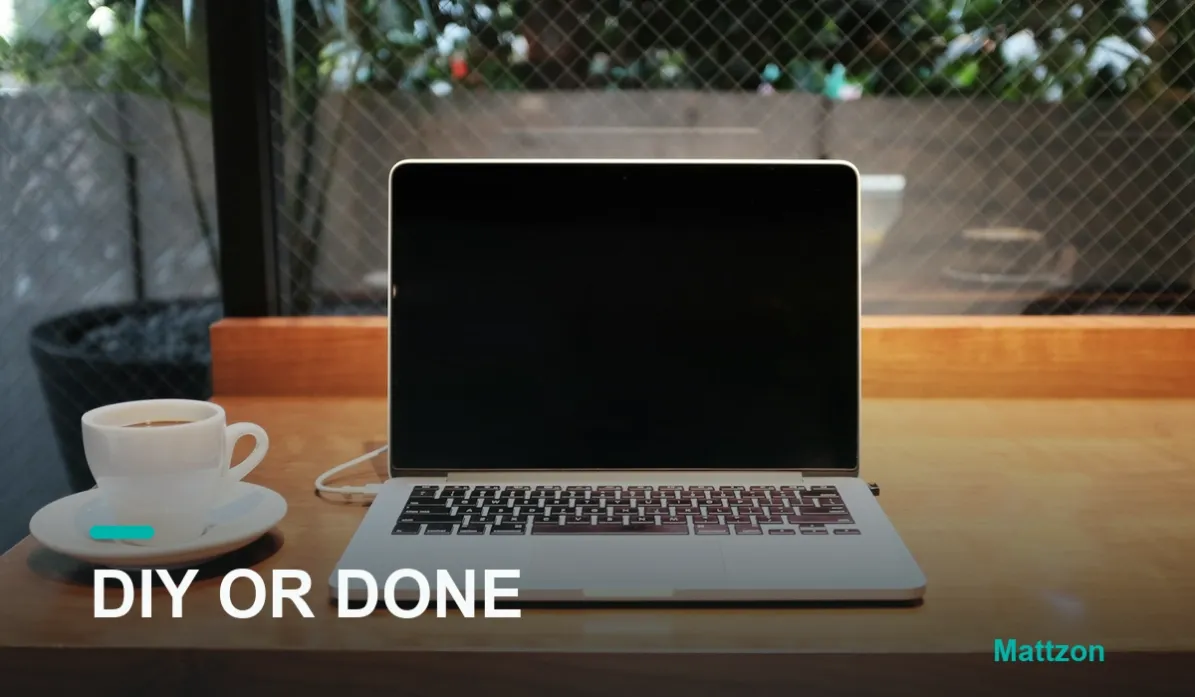
October has been a generous month for storage shoppers and a confusing one. Early in the month, OWC shipped its Thunderbolt 5 Envoy Ultra, a finished portable SSD at the top of the speed market, while SanDisk refreshed its entire portable SSD lineup, as Tech-Insider's mid-October comparison noted, setting up a question the publication ran head-on: is it better to buy a finished portable SSD, or to build your own from a bare NVMe drive and an enclosure?
The DIY route has real arguments, and the accessory industry should say so plainly: drive choice without limits, enclosures from budget to enthusiast, reuse of a drive pulled from an upgraded laptop, and often a lower price for the same capacity. For a technically confident buyer, building an enclosure rig is a legitimate path. But the honest comparison has to include what the finished product is actually doing, because a portable SSD is not a drive in a box. It is a thermal and electrical system, and the box is doing engineering.
What the Finished Unit Is Actually Buying
Three things distinguish a finished portable SSD from a bare drive in a third-party enclosure. Thermal engineering: sustained transfers push an NVMe controller toward its thermal ceiling, and finished units are laid out, finned and tested so the sustained line holds, which is why a premium portable SSD often beats a faster-rated DIY build after minute five. Certified integration: the controller, the NAND and the cable are validated as one product, which removes the update-week surprises and negotiation quirks that assembly-built chains occasionally produce. And one warranty across the assembly: when a DIY enclosure and drive disagree about whose fault the corruption is, the owner arbitrates between two vendors; the finished product has one throat to choke, the manufacturer's.
Where DIY Wins, Honestly
DIY wins when flexibility is the requirement. Drives get reused across builds; capacity gets chosen independent of enclosure branding; an enclosure bought once serves three drive generations. For buyers who enjoy the qualification process and have the tools to measure sustained performance, DIY is a rewarding route, and the accessory industry serves it honestly with bare enclosures specified to the drive class.
The Middle Path: Storage Inside the Hub
There is a third configuration that October's comparisons under-explore, and it is where our own line lives: storage engineered into the hub itself. Our SSD enclosure hubs, from the MZTC8722 and MZTC8723 drive-docks with their 10Gbps M.2 bays to the MZTC9791 flagship with its dual-protocol bay behind three displays, deliver the DIY route's drive-choice freedom, buyer supplies the M.2 drive, inside a factory-built thermal and electrical system that ships tested. The drive stays chosen by you; the engineering around it is chosen by the people who test seven ports at a time.
The Buyer's Decision Rule
Choose DIY when flexibility and reuse are the requirement, and bring your own measurement tools for sustained speeds and thermals. Choose a finished portable SSD when warranty simplicity and validated sustained performance are the requirement. Choose a storage hub when the drive should live on the desk, always connected, always charging the laptop, inside hardware someone else has already tested into compliance. All three are legitimate; only one of them lets the factory answer for the whole assembly, and for data that matters, that answer is worth having.
If you are weighing storage products for a range or a desk, message Kitty's team on WhatsApp at +86 186 8146 2886, and we will send the sustained-performance data behind our enclosures.
Sources: Tech-Insider, DIY NVMe Enclosure vs Portable SSD comparison (mid-Oct 2026; OWC TB5 Envoy Ultra shipped early October, SanDisk portable SSD lineup refresh); OWC and SanDisk 2026 announcements as referenced therein.