Oct 4, 2026Buying Guides
What Happens After the Shipment: Warranties, Firmware and the Supplier Promise
Most buyers compare specs and prices before an order, then discover the real difference after the container lands. Here is what to ask any supplier about warranty, firmware support after-sales service

Here is a question that almost never comes up in a sourcing negotiation, and almost always comes up six months later: what happens after the shipment?
Buyers are trained to interrogate the product. Specs, certifications, samples, lead times, prices. All of that happens before the order, when the supplier is at maximum attentiveness. The silence begins later: a firmware bug surfaces in the field, a batch shows a charging quirk, a retail chain asks for a certificate copy you never received, and the supplier who answered in minutes during the sample stage now answers in weeks, or not at all. IT communities are full of docking stations and hubs abandoned this way: products whose maker stopped updating firmware, whose warranty email address quietly died, whose buyers learned the hard way that the cheapest supplier is the one who disappears fastest.
For a distributor or brand, after-sales silence is not an inconvenience. It is inventory risk with a delayed fuse. A product you cannot support cannot be defended on the shelf: reviews curdle, retail partners ask questions, and the next purchase order goes to whoever answers the phone.
The Four After-Sales Questions That Matter
Ask these before the order, in writing, and read the answers carefully.
First: what exactly does the warranty cover, and for how long?
Vague answers like "one year guarantee" deserve follow-up questions. Cover against what, replaced from where, at whose shipping cost, and with what turnaround? A confident supplier answers with specifics because the answers are already written down somewhere.
Second: what is your firmware and compatibility update policy?
This matters most in categories that touch operating systems: docks, hubs, wireless chargers. Operating systems update whether we like it or not, and history is full of accessories that died in waves after a system update because nobody was left maintaining the firmware. Ask the question directly: if a macOS or Windows update breaks this product next spring, what happens? The answer you want is a process, not a promise: who tests against beta systems, who ships fixes, how customers receive them.
Third: how fast do you respond to a quality claim, and what does the response look like?
A serious supplier has a defined claim process: you describe the defect with batch numbers and photos, they respond with an analysis, a root cause and a corrective action, then a commercial solution. The phrase to listen for is corrective action. A supplier who only offers a discount is telling you the defect will still be there in the next batch.
Fourth: who do I contact, and will that person still exist next year? After-sales fails most often at the handoff: the salesperson who handled your order moves on, and the relationship was the process. A company with real after-sales has a channel that outlives individuals: a shared inbox, a ticket process, a named engineer.
What Buyers Are Really Buying
Read those four questions again and notice what they have in common: none of them can be answered by a trading company renting a showroom. They are answerable only by a factory that controls its own production, keeps its own test records and plans to still exist when your customers open the boxes.
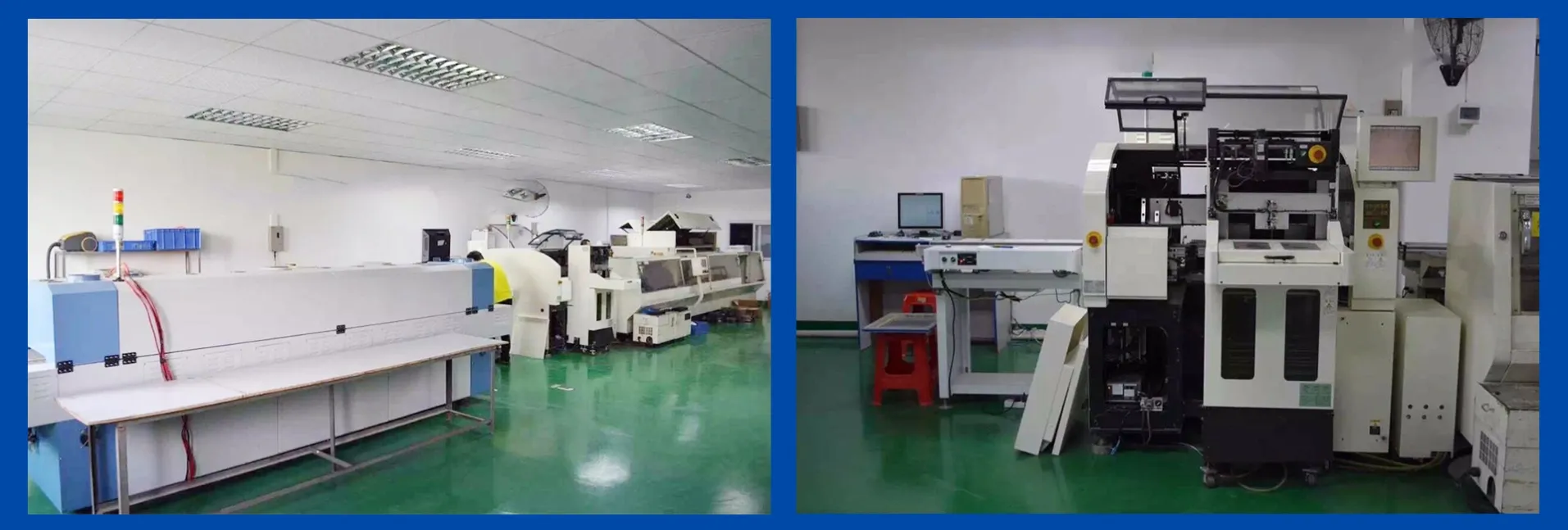
This is the logic behind how we run Mattzon. Our Shenzhen plant produces in-house, from SMT placement through assembly to a per-port functional test and a timed aging test on every unit, which means when a field issue appears, the people who can diagnose it are down the hall from the people who built it, not an ocean away. We provide certificate copies and test reports with bulk orders as standard, so your retail partners' questions are answered before they are asked. We publish full specifications rather than "up to" claims, because most after-sales storms are born in the datasheet. And our commercial terms are built for relationships rather than one-shot deals: no minimum order quantity, samples first, 3 to 25 day lead times, and OEM/ODM support backed by 89% private-mold products.
The product wins the purchase order. The after-sales wins the re-order. When you compare suppliers this quarter, ask the four questions above to everyone, including us. The quality of the answers, and the speed of them, will tell you more than any catalog. Start the conversation at +86 186 8146 2886 on WhatsApp, and keep the checklist handy.